Custom Generator End Cover Manufacturer
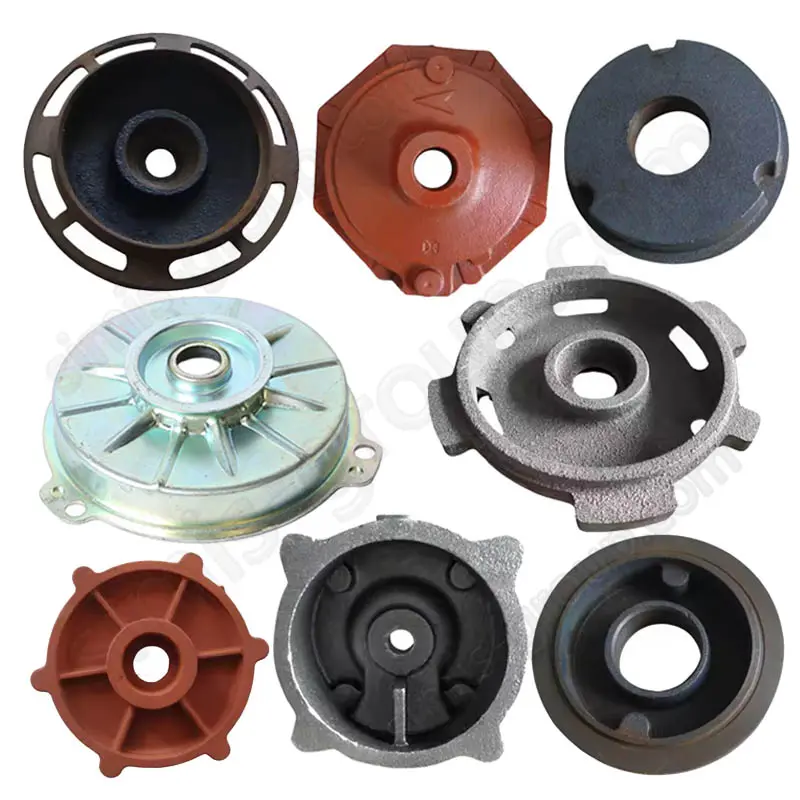
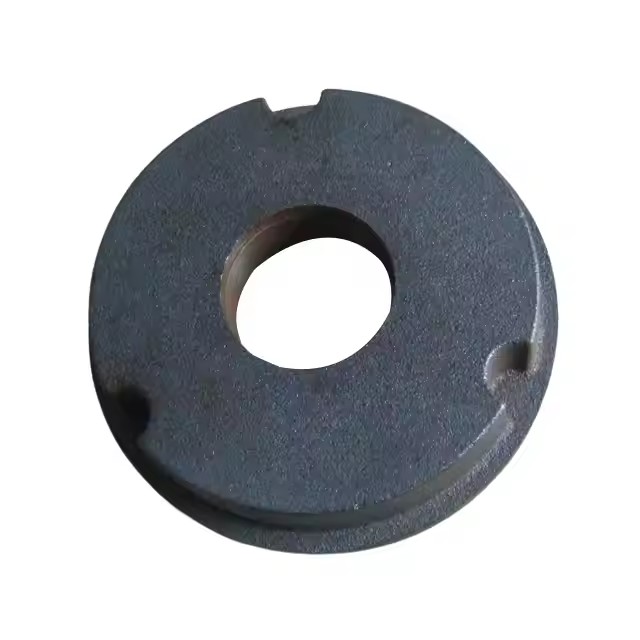
Generator End Cover

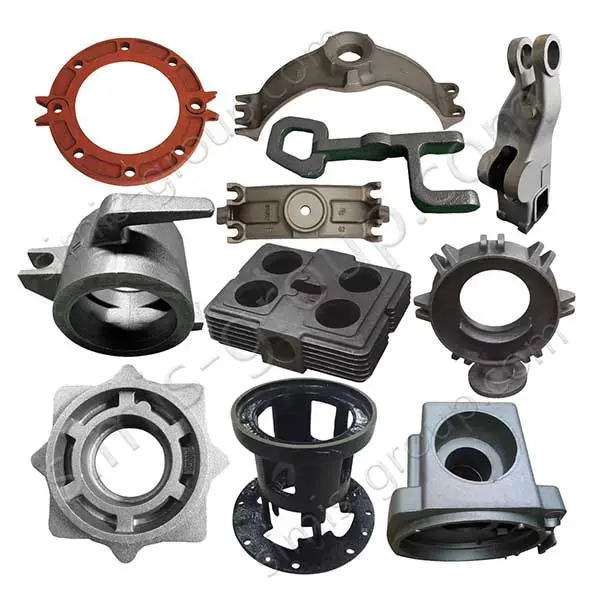
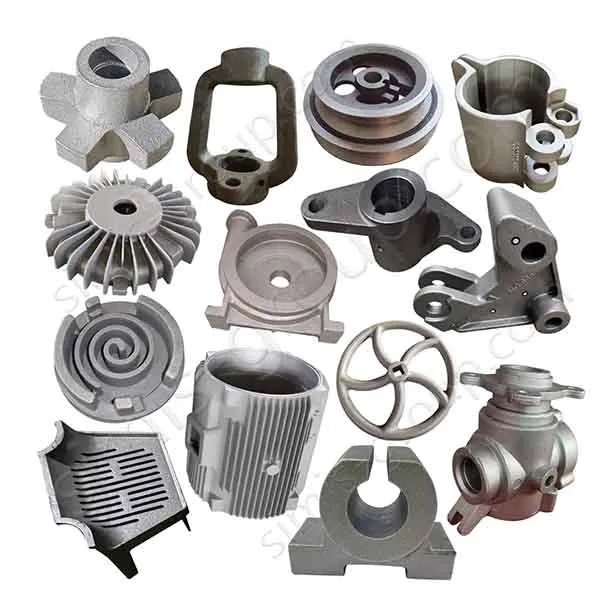
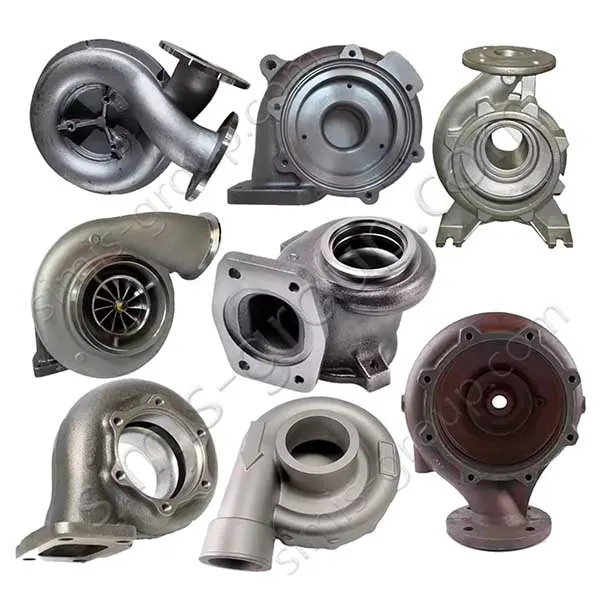
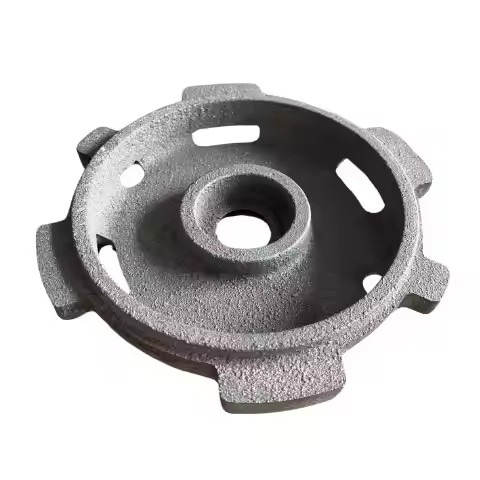
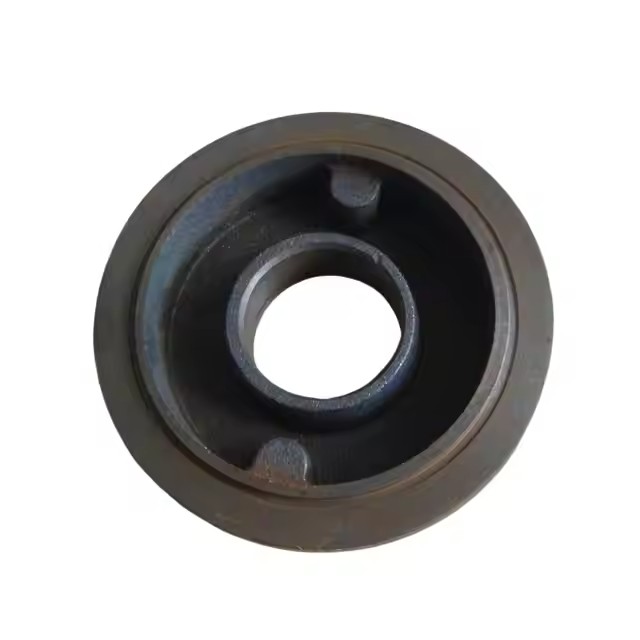
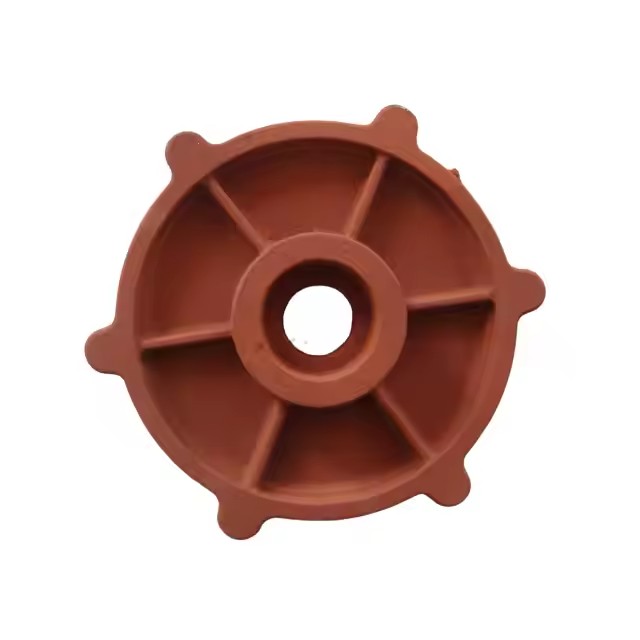
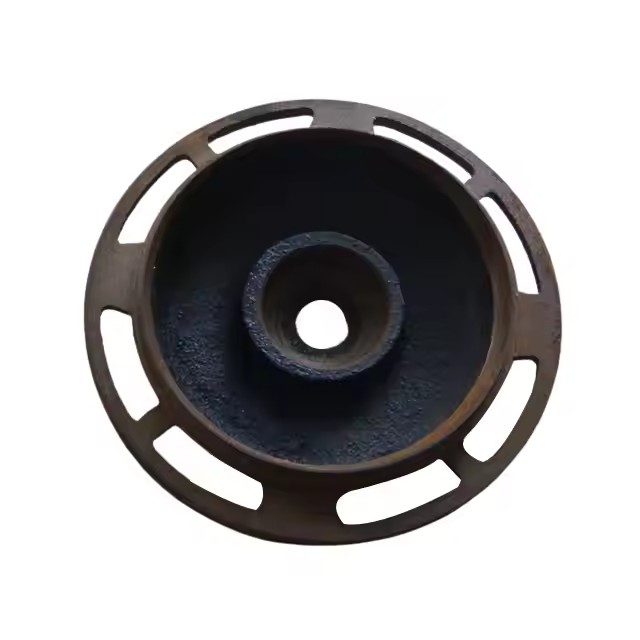
China Simis Company specializes in the custom manufacturing of Generator End Covers (applicable to E-Motor Housings). This critical component precisely houses the rotor bearing, provides rigid structural support, and facilitates efficient air flow and heat dissipation through integrated cooling fins and ports.
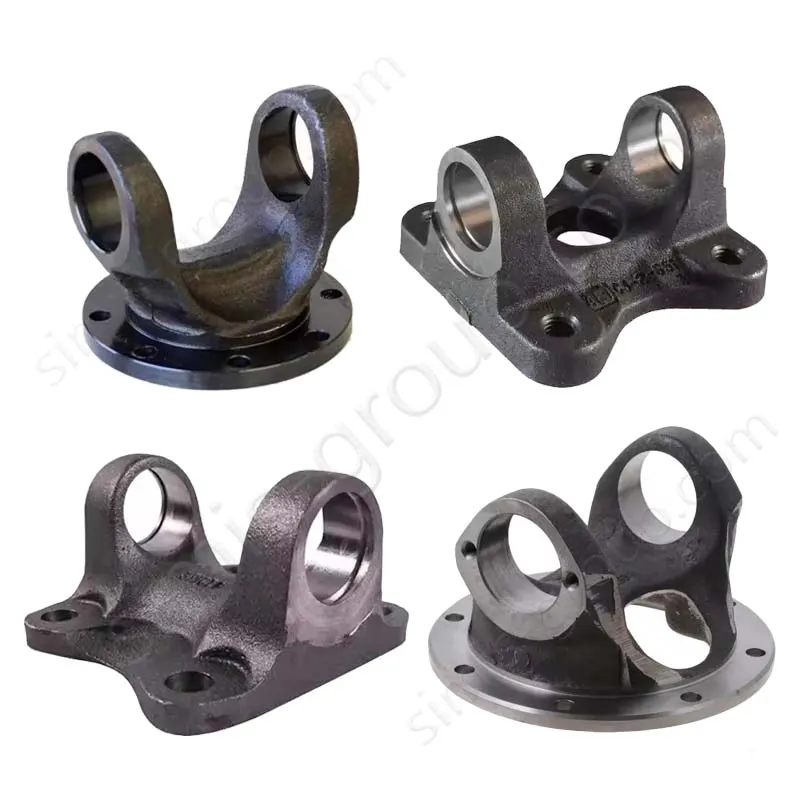
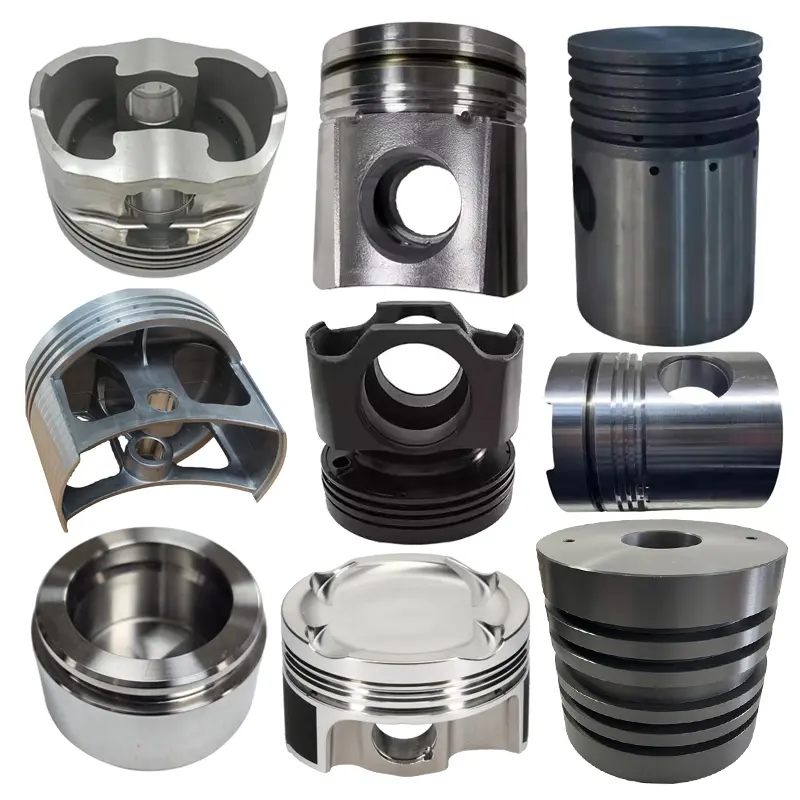
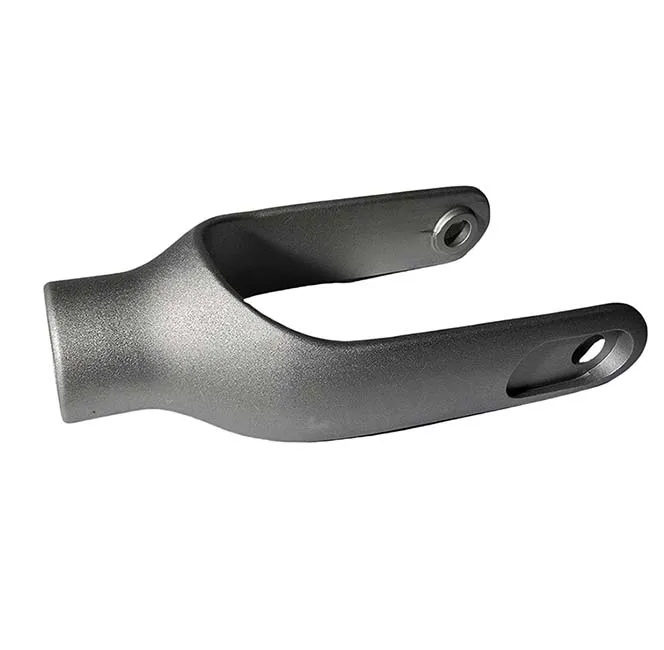
To guarantee the necessary dimensional stability, thermal conductivity, and rigidity, we utilize a diverse set of specialized casting methods, including High-Pressure Die Casting (HPDC) for high volume, Sand Casting, Shell Molding, and Lost Foam Casting. Our materials—primarily Aluminum Alloy and Cast Iron (Iron Casting Services)—are selected to meet the specific load, thermal, and NVH requirements of industrial power generation, automotive alternators, marine equipment, and various electric motor applications.
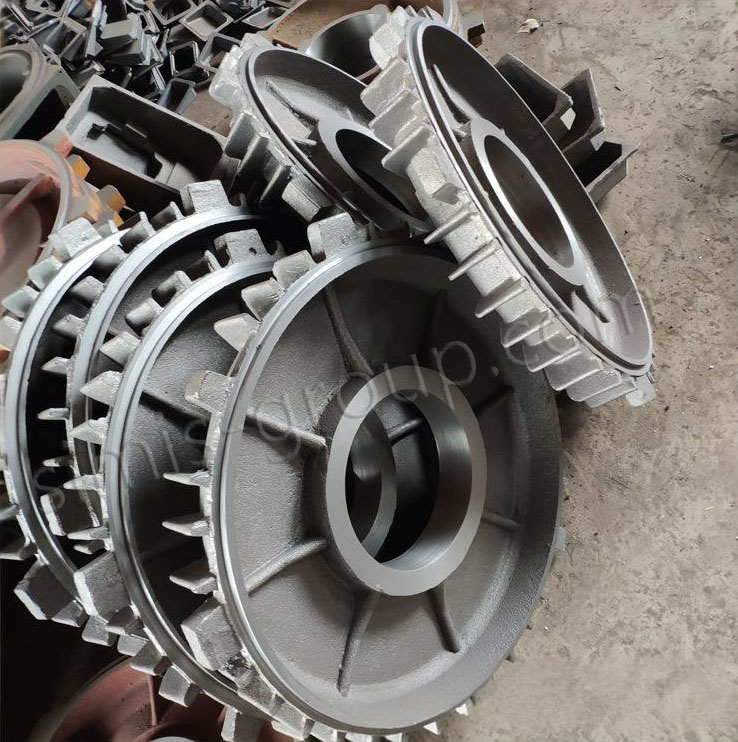
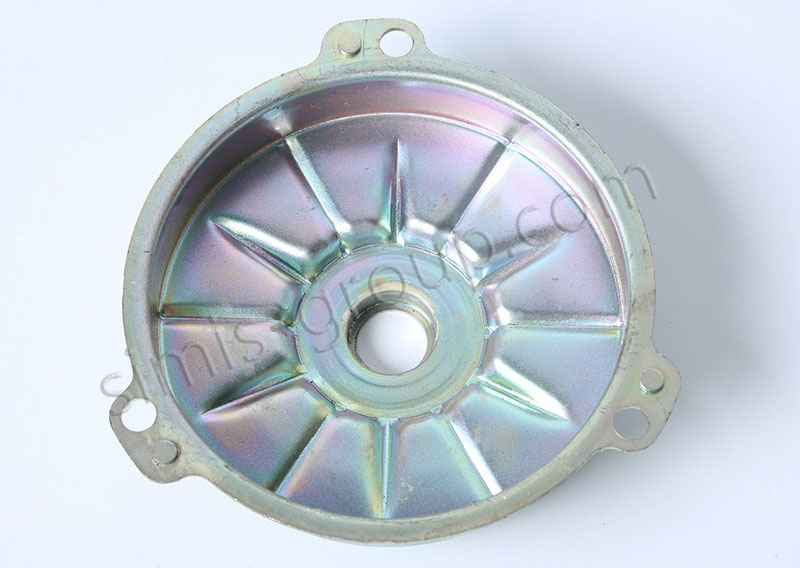
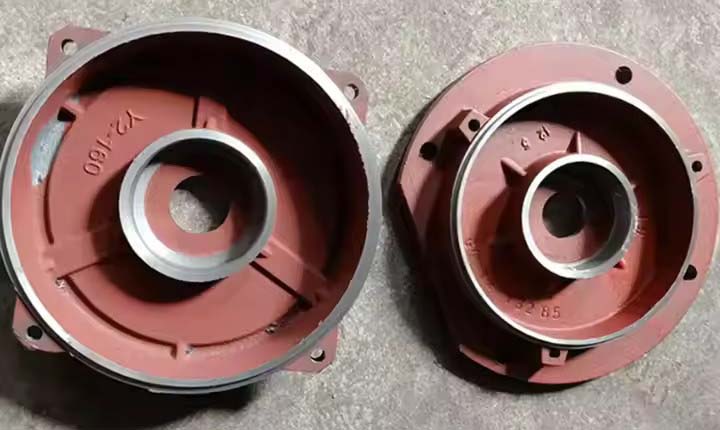
What manufacturing processes are used in the production of generator end caps?
The casting process is carefully chosen to achieve the tight tolerances required for the bearing seat and the complex geometry of the cooling system. We adopt a variety of processes including High-Pressure Die Casting, Sand Casting, Shell Mold Casting, Lost Foam Casting, Precision CNC Machining and Leak Testing/Impregnation to meet the production requirements of generator end covers with different materials and specifications.
| Manufacturing Process | Material Focus | Key Advantage for End Covers | Specific Process Detail |
| High-Pressure Die Casting (HPDC) | Aluminum Alloy (A380 Series). | Lightweight, High Volume, Excellent Heat Dissipation. Ideal for high-speed, mass-market alternators and small generators. | Achieves thin, uniform cooling fins and a smooth surface finish, optimizing thermal transfer efficiency. |
| Sand Casting | Grey Cast Iron, Ductile Iron, Large Aluminum. | High Rigidity, Vibration Dampening, Large Size Capability. Used for heavy-duty industrial or marine generators. | Provides excellent structural rigidity to maintain bearing alignment under heavy load and vibration. |
| Shell Mold Casting | Ductile Iron, Cast Iron. | Superior Surface Finish and Closer Tolerance. Used for medium-sized iron covers, reducing machining allowance and improving external aesthetics/finish quality. | Offers better dimensional control than standard sand casting, particularly beneficial for cooling fin uniformity. |
| Lost Foam Casting | Aluminum Alloy, Cast Iron. | Minimal Parting Lines, High Geometric Complexity. Ideal for integrated structures with complex internal ribs or cooling air paths. | Eliminates cores and parting lines, simplifying complex designs and improving overall structural integrity. |
| Precision CNC Machining | All Materials. | Achieving Critical Bearing Bore Tolerance. Mandatory for the bearing pockets and mounting flanges. | Ensures the required concentricity and parallelism of the bearing seats for smooth, high-speed rotor operation. |
| Leak Testing/Impregnation | Aluminum Housings. | Ensuring Air/Fluid Sealing. | Pressure testing and/or vacuum impregnation are performed to prevent cooling air leaks or moisture ingress. |
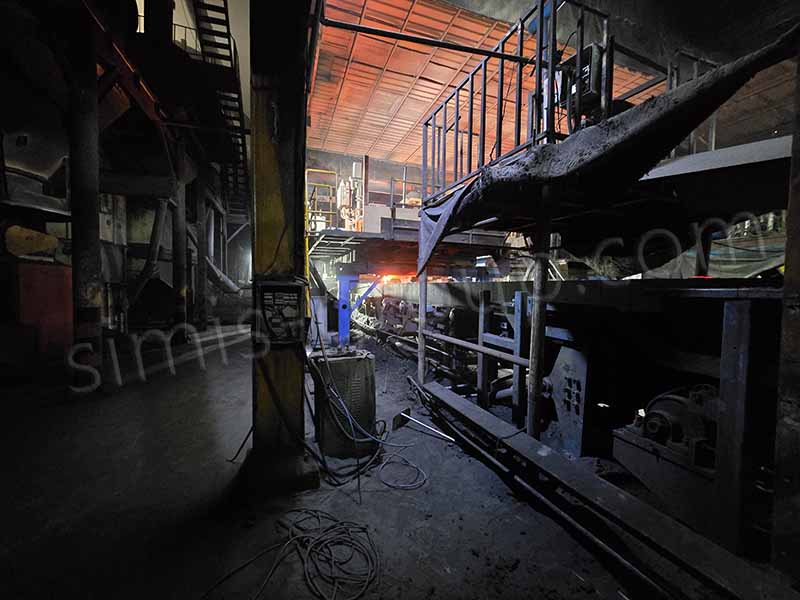
What Materials Are Used for Generator End Covers?
The material must provide sufficient stiffness to maintain bearing alignment under dynamic load, while also managing noise and vibration characteristic of high-speed rotating machinery. We mainly select Gray Cast Iron, Ductile Iron, Aluminum Alloys and Stainless Steel to manufacture generator end covers that meet different performance requirements.
| Material Type | Primary Performance Requirement | Typical Generator End Cover Application |
| Gray Cast Iron | Superior vibration damping (NVH control) and high compressive stiffness. | Large industrial and utility generators where quiet operation and stability are key. |
| Ductile Iron (DI) | High tensile strength and impact resistance; suitable for mobile or exposed equipment. | Mining equipment, construction site generators, and heavy-duty mobile units. |
| Aluminum Alloys(A380/A356) | Lightweighting and excellent thermal conductivity (heat rejection). | Automotive alternators, portable generators, and applications sensitive to mass. |
| Stainless Steel | Maximum corrosion resistance. | Marine generators and offshore equipment operating in humid or corrosive environments. |
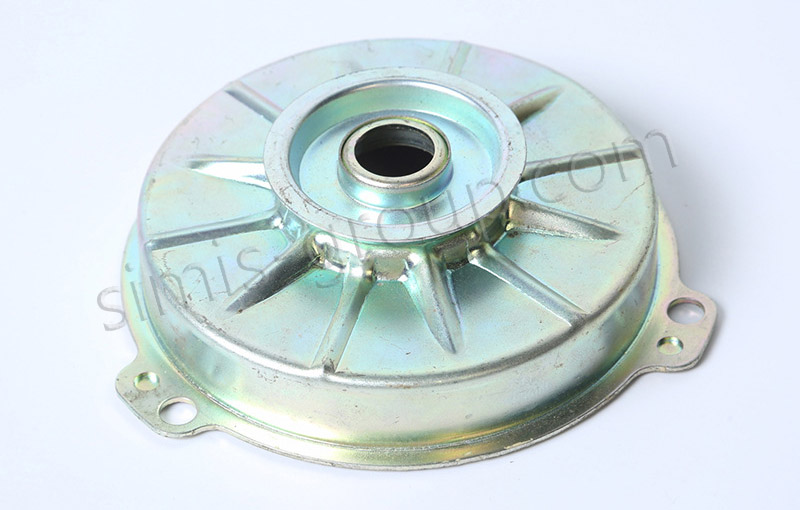
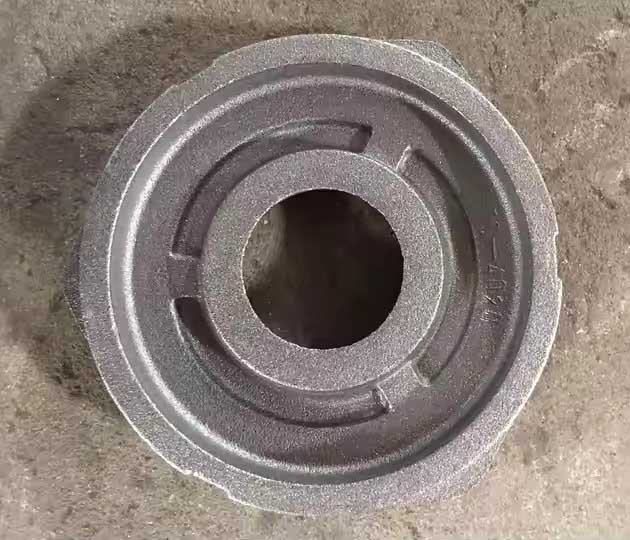
What High-Precision Machining and Quality Assurance Measures Are Applied to Generator End Covers?
Precision in the end cover is paramount, as the integrity of the bearing seat directly dictates the rotor's stability, which affects efficiency and prevents winding friction. We implement a series of strict control measures including bearing seat alignment, mounting flatness management, NVH testing and Non-Destructive Testing to ensure the quality of generator end covers.
·Bearing Seat Alignment:
CNC machining ensures extremely tight tolerances on the bearing bore to guarantee precise coaxial alignment of the rotor shaft, minimizing vibration and maximizing bearing life.
·Mounting Flatness:
Machining the frame mounting interface to ensure a perfectly flat, parallel surface for secure, vibration-free integration with the main stator frame.
·NVH Testing:
The final product's structure is optimized to ensure its natural frequencies avoid resonance with the generator's operating speeds.
·Non-Destructive Testing (NDT):
Utilizing NDT methods such as Ultrasonic Testing (UT) and Liquid Penetrant Inspection (LPI) to verify structural soundness, especially around the bearing seat and lifting points.
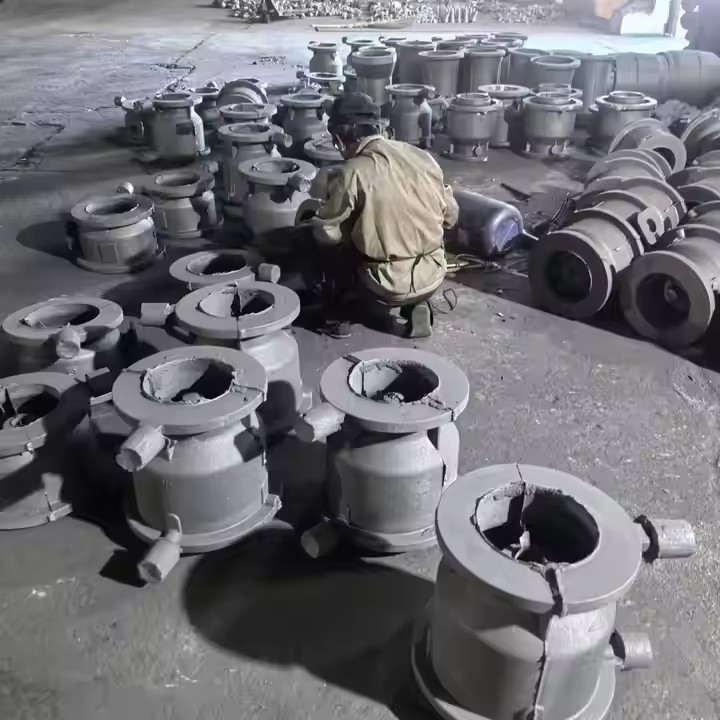
What Are the Application Areas of Generator End Covers?
Our custom-cast end covers are foundational components in electric power generation across demanding sectors. They are widely applied in industrial power generation, automotive alternators/starter, marine & RV generators and EV motor housings fields.
| Application Sector | Typical End Cover Focus | Primary Manufacturing Requirement | Key Performance Focus |
| Industrial Power Generation | Large, High-Rigidity Cast Iron End Bells. | Sand Casting, Maximum NVH Dampening. | Long-term reliability and precise alignment under constant load. |
| Automotive Alternators/Starters | Medium, High-Volume Aluminum. | High-Pressure Die Casting, Lightweight. | Efficient heat dissipation and high-speed bearing stability. |
| Marine & RV Generators | Medium, Corrosion-Resistant Aluminum/Iron. | Specialized Coatings and Structural Soundness. | Resistance to moisture and thermal stability in enclosed spaces. |
| EV Motor Housings (Related) | Structural Aluminum Housing. | Low Porosity, High Precision Bearing Mounts. | High thermal stability and structural rigidity for high-torque motors. |
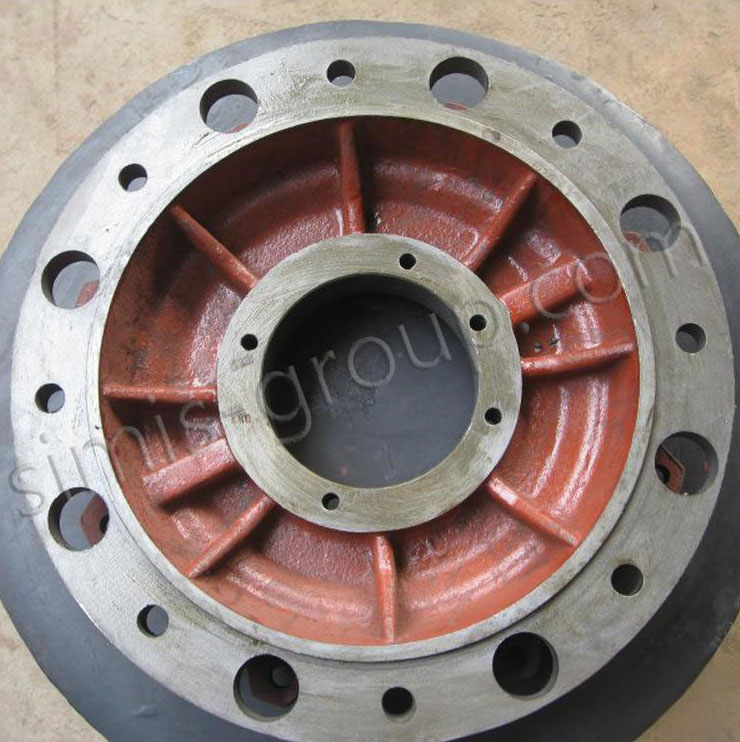
What Are the Advantages of Simis OEM Custom Generator End Covers?
Partnering with Simis for custom generator end covers ensures optimized system performance, long life, and reliable supply. Our core advantages include precision alignment guarantee, NVH control expertise, thermal management integration and integrated supply chain services.
·Precision Alignment Guarantee:
Our integrated casting and high-precision CNC machining ensures the required geometrical accuracy and runout control to maximize bearing and rotor life.
·NVH Control Expertise:
We leverage the superior damping properties of Gray Cast Iron or the specific structural optimization of Aluminum to meet stringent acoustic and vibration targets.
·Thermal Management Integration:
Casting designs incorporate optimal ribbing and fin geometry (especially in Aluminum) to enhance surface area for effective heat dissipation from the bearing area.
·Integrated Supply Chain:
We offer a single source responsible for metallurgy, casting, high-precision CNC machining, and NDT, simplifying quality assurance and logistics for critical power generation components.
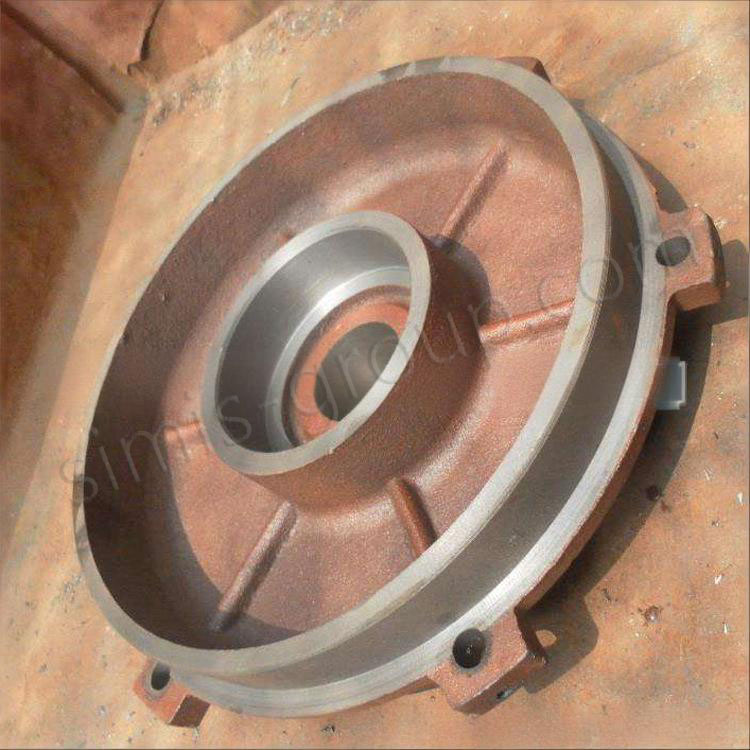
How to Get a Quote for Custom Generator End Covers?
China Simis Company is your expert global partner for custom casting Generator End Covers, engineered for superior bearing precision, high rigidity, and effective NVH control.
Please submit your 2D technical drawings, 3D models (showing bearing type and interface), and specific requirements for runout tolerance, stiffness, and material grade to our engineering department for a consultation and detailed quotation. We are ready to secure the stability of your rotating machinery.